Tuesday, 7 December 2010

Thursday, 2 December 2010
Audience Feedback
After displaying the 3 synopsis to a group of 20 students, our key demographic a clear winner has come out as the synopsis of our film. The 2nd synopsis has come out on top meaning that the final synopsis for our film will be:
Chris is a normal, happy-go-lucky kinda guy. However he finds out that his brother takes an overdose. He isn't content with what he has been told and instead wants to find his own answers and seek revenge along the way.
I am pleased with the outcome of audience feedback as it has appealed to most of the students ahead of the other 2 ideas. This shows that our specific audience prefer the 2nd synopsis and therefore most of our demographic, the teenage market should follow suit.
Synopsis For My Film
There are 3 possible synopsis for my film. All of which fit into the thriller genre. I will test these 3 ideas by pitching them to a few members of my specific audience and seeing which gains the most positive response.
1st Film Synopsis
A young girl is moving home and with that she enrolls in a new college. Upon beginning school she finds herself very lonely and unwelcome. However, this time she is going to find out that she isn't as alone as she thought she was.
2nd Film Synopsis
Chris is a normal, happy-go-lucky kinda guy. However he finds out that his brother takes an overdose. He isn't content with what he has been told and instead wants to find his own answers and seek revenge along the way.
3rd Film Synopsis
A few troubled teenagers find their lives turned upside down as they happen to witness a murder. However CCTV footage of them in the area has them being framed for a murder that they didn't do. Therefore the set out to solve the mysterious circumstances behind the murder to clear their names, however along the way they find some shocking secrets.
1st Film Synopsis
A young girl is moving home and with that she enrolls in a new college. Upon beginning school she finds herself very lonely and unwelcome. However, this time she is going to find out that she isn't as alone as she thought she was.
2nd Film Synopsis
Chris is a normal, happy-go-lucky kinda guy. However he finds out that his brother takes an overdose. He isn't content with what he has been told and instead wants to find his own answers and seek revenge along the way.
3rd Film Synopsis
A few troubled teenagers find their lives turned upside down as they happen to witness a murder. However CCTV footage of them in the area has them being framed for a murder that they didn't do. Therefore the set out to solve the mysterious circumstances behind the murder to clear their names, however along the way they find some shocking secrets.
Synopsis Analyses

The purpose of a synopsis is to briefly explain what the film is about. It provides a short input about the film and what the film is about.
A film such as '28 days later' shows this:
Within 28 days the country is overwhelmed and a handful of survivors begin their attempts to salvage a future, little realising that the deadly virus is not the only thing that threatens them.'
However for my film the sub-genre i am going to pick is also psychological thriller. Therefore this is very helpful. Aswell as 28 days later the synopsis of many other psychological films such as 'Psycho'.
The synopsis of Psycho reads:
The synopsis of Psycho reads:
'Alfred Hitchcock's landmark materpiece of the macabre start Anthony Perkins as the troubled Norman Bates, whose old dark house and adjoining motel are not the place to spend a quite evening. No one knows that better than Marion Crane (Janet Leigh) the ill-fated traveller whose journey end the notorious "shower scene". First a private detective, then Marion's sister (Vera Miles) searches for he, the horror and the suspense mount to a terrifying climax where the mysterious killer is finally revealed. It took seven days to shoot the shower scene, seventy camera setups for the forty-five seconds of this now famous footage-and not an actual bare breast or plunging knife is to be found in the final cut, just illusion through montage.'
Thriller Devices
Literary devices such as suspense, red herrings and cliffhangers are used extensively. A thriller is a villain driven plot, whereby he presents obstacles the hero must overcome. The genre is a flexible form that can undermine audience complacency through a dramatic rendering of psychological, social, and political tensions. Jump cuts, low and high key lighting are often used with the backing a slow dramatic score that picks up in pace are also common sights to see in thriller movies.
Films such as 28 Days Later are a very effective example of a Thriller. It is a zombie movie and these usually are 'wet' horror's but 28 Days Later is more psychological and cleverly uses the score to create tension. It keeps the viewer on the edge because your always waiting for the next zombie attack and wondering how, if they do, get out of it. This is very effective as what the audience expects isn't necessarily what happens and they are caught out at the most unexpected moments in the film.
Films such as 28 Days Later are a very effective example of a Thriller. It is a zombie
 movie and these usually are 'wet' horror's but 28 Days Later is more psychological and cleverly uses the score to create tension. It keeps the viewer on the edge because your always waiting for the next zombie attack and wondering how, if they do, get out of it. This is very effective as what the audience expects isn't necessarily what happens and they are caught out at the most unexpected moments in the film.
Research Of Opening Sequence
An opening sequence is used to establish the mood and the atmosphere that the film will contain. On top of this the opening sequence is used to introduce the characters, plot, location, theme as well as allowing the audience to identify the sub-genre the film fits in to.
The opening sequence is supposed to reveal enigmas to the audience and to create tension. On top of this the opening sequence doesn't have to necessarily link to the film and can therefore be rather linear. The opening sequence can also give a franchise to the film and make it easily recognizable to the audience, which is very handy when it comes to making sequels.
Opening sequences are used to show the most important members of the cast and crew. They are used to showcase the most important people involved in the production of the film, meanwhile the closing credits show an extensive list of everyone who was involved in the film.
Opening sequences are usually shown on a blank background or static image, however this isn't always the case. Many films such as the James Bond sequence use a classic score and theme editing in the background, this is what the series is well renowned for. For example 'From Russia With Love'(1963) the opening sequence doesn't necessarily have to link into the rest of the film however, it sets up enigmas. As the image below shows, a Bond mask is removed from another persons face, therefore showing it is not actually Bond. However the real reason of what is happening is shown towards the end of the film. The next shot creates suspense and tension as you slowly see the antagonists feet walking away.
 Different approaches have different effects as if they are dramatic with a score and some flashing static images they will be seen as very dramatic, however if they use different images it may create a humorous setting which will set the basis for the film.
The opening sequence is supposed to reveal enigmas to the audience and to create tension. On top of this the opening sequence doesn't have to necessarily link to the film and can therefore be rather linear. The opening sequence can also give a franchise to the film and make it easily recognizable to the audience, which is very handy when it comes to making sequels.
Opening sequences are used to show the most important members of the cast and crew. They are used to showcase the most important people involved in the production of the film, meanwhile the closing credits show an extensive list of everyone who was involved in the film.
Opening sequences are usually shown on a blank background or static image, however this isn't always the case. Many films such as the James Bond sequence use a classic score and theme editing in the background, this is what the series is well renowned for. For example 'From Russia With Love'(1963) the opening sequence doesn't necessarily have to link into the rest of the film however, it sets up enigmas. As the image below shows, a Bond mask is removed from another persons face, therefore showing it is not actually Bond. However the real reason of what is happening is shown towards the end of the film.
 The next shot creates suspense and tension as you slowly see the antagonists feet walking away.
 Different approaches have different effects as if they are dramatic with a score and some flashing static images they will be seen as very dramatic, however if they use different images it may create a humorous setting which will set the basis for the film.
Research For Audience Of Our Film
 The thriller Genre is primarily aimed at an audience between the ages of 12 and 18. The minimum certificate rating expected for a thriller film is 12 or the more recent 12A certificate. However there are many limitations of a 12 certificate, content has to be very much restrained, particularly that which would be featured in a thriller film. The 12 or 12A certificate only allows infrequent strong language and moderate violence.
My film however will be targeted at an audience of 15+. This is because the audience that the thriller genre is very dependent on is the teenage market. Also as the rules are much more relaxed, especially in comparison to 12 or 12A. The 15 certificate age rating allows for strong violence, frequent strong language, portrayals of sexual activity, strong verbal references to sex, sexual nudity, brief scenes of sexual violence or verbal references to sexual violence, discriminatory language or behavior and drug taking.
This therefore is the rating I will choose for my film as anything that needs to be included for a successful. If I was to choose an 18 rating for my film that would be cutting off a significant proportion of the intended audience for my thriller film. On top of secluding some of the audience for my film the benefits an 18 certificate could possibly give me in terms of content are not necessary and therefore an 18 age rating would be very unwise.
Research On Audience
Thriller is such a wide and varied Genre, therefore when we consider what audience our film will be tailored towards we have to be very careful. The amount of sub-genres and the different type of audience they attract means we have to be very considerate of the type of film that we are making. An example of this is that more women will be attracted to a romantic comedy or more of a male audience for an action film.
Our film could be described as a hybrid of two thriller sub-genres, the hybrid would be between psychological thriller and crime thriller. The decision allows us to target a specific audience. The audience that our film is likely to attract would be both male and female, the specific age range that the film will target will be between 16-25. It is most likely to attract this specific audience due to the characters in the film being teenagers, making the film more likely to appeal to the teenage generation. Also an audience of this specific age should be gripped by the excitement and suspense the film presents.
The Thriller genre tends to be aimed from the age 12+. The genre however isn't just aimed towards children primarily, a lot of films classified in the thriller genre tend to have a much older audience due to the nature of the films and are therefore rated 16+ and to a lesser exte nt 18+. The thriller genre targets this audience primarily because with the rating 12+ the film will appeal to a much larger audience, specifically those interested in thriller films. 15+ is much the same, however, unfortunately this targets off a little sector of the audience between the ages of 12 and 15. But one of the benefits of this age rating is that it allows the film to be more controversial in a sense there are less limitations and almost any kind of sequence can be put in. However the rating of 18+ does exist within the thriller genre, an example of this is 'Pulp Fiction'(1994). However the 18+ rating is targeted more at the horror genre, it is therefore less evident within the Thriller Genre as it cuts of the key demographic for the thriller film which is the teenage audience.

Disaster Thriller
Any kind of disaster that can affect lots of people--a dam bursting, a tornado sweeping through Los Angeles, a luxury cruise liner sinking.
Thrillers set in the past, usually combined with other subgenres. This particular subgenre is rather uncommon.

 Religious Thriller
This is an extremely popular subgenre of thriller. In this subgenre, a serial killer is terrorizing a group of people with horrific violence. The detective's goal is to stop the killer before he takes his next victim.
Tech no Thriller
When people talk about thriller, the first thing they usually think of is a techno thriller like Tom Clancy's books. In techno-thrillers, the technology drives the plot, whether it's new military technology for a submarine or forensics.
Our film could be described as a hybrid of two thriller sub-genres, the hybrid would be between psychological thriller and crime thriller. The decision allows us to target a specific audience. The audience that our film is likely to attract would be both male and female, the specific age range that the film will target will be between 16-25. It is most likely to attract this specific audience due to the characters in the film being teenagers, making the film more likely to appeal to the teenage generation. Also an audience of this specific age should be gripped by the excitement and suspense the film presents.
The Thriller genre tends to be aimed from the age 12+. The genre however isn't just aimed towards children primarily, a lot of films classified in the thriller genre tend to have a much older audience due to the nature of the films and are therefore rated 16+ and to a lesser exte
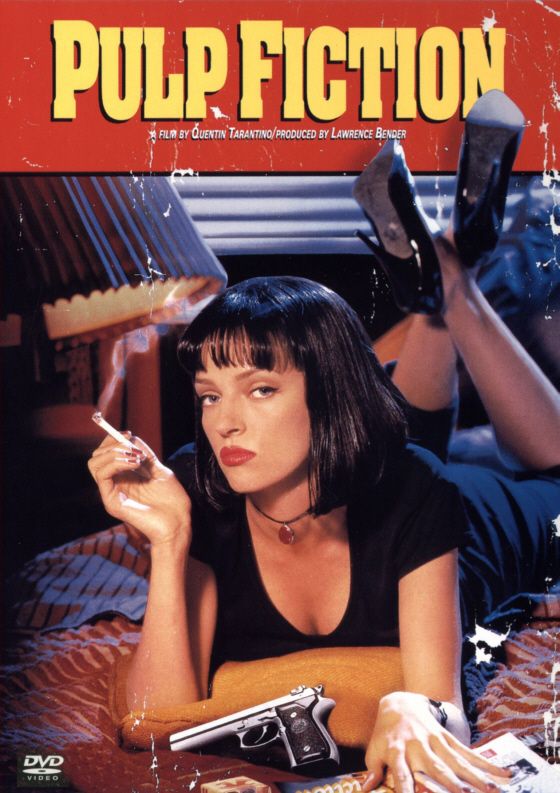 nt 18+. The thriller genre targets this audience primarily because with the rating 12+ the film will appeal to a much larger audience, specifically those interested in thriller films. 15+ is much the same, however, unfortunately this targets off a little sector of the audience between the ages of 12 and 15. But one of the benefits of this age rating is that it allows the film to be more controversial in a sense there are less limitations and almost any kind of sequence can be put in. However the rating of 18+ does exist within the thriller genre, an example of this is 'Pulp Fiction'(1994). However the 18+ rating is targeted more at the horror genre, it is therefore less evident within the Thriller Genre as it cuts of the key demographic for the thriller film which is the teenage audience.
The thriller genre has many subgenres such as:
Action-Adventu re Thriller
Treasure hunt, search for a lost archaeological site, the worlds lost meteorite, a mystery lost to time--action-adventure brings back our childhood fantasies of being the adventurer. This is also one of the hardest subgenres of thriller to write because of the amount of action required.
Action-Adventu
 re Thriller
Treasure hunt, search for a lost archaeological site, the worlds lost meteorite, a mystery lost to time--action-adventure brings back our childhood fantasies of being the adventurer. This is also one of the hardest subgenres of thriller to write because of the amount of action required.

Disaster Thriller
Any kind of disaster that can affect lots of people--a dam bursting, a tornado sweeping through Los Angeles, a luxury cruise liner sinking.

Thrillers set in the past, usually combined with other subgenres. This particular subgenre is rather uncommon.
Medical Thriller
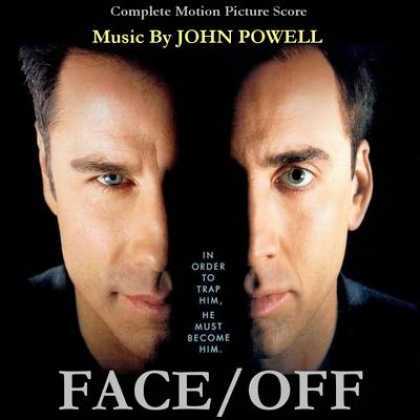
Robin Cook introduced us to the medical thriller, where modern medical technology that is supposed to help people is morphed into something deadly.
Robin Cook introduced us to the medical thriller, where modern medical technology that is supposed to help people is morphed into something deadly.
 Religious Thriller
Popularized by the blockbuster The Da Vinci Code, this subgenre uses the rich and long history of religion to build stories with high stakes and deadly politics.
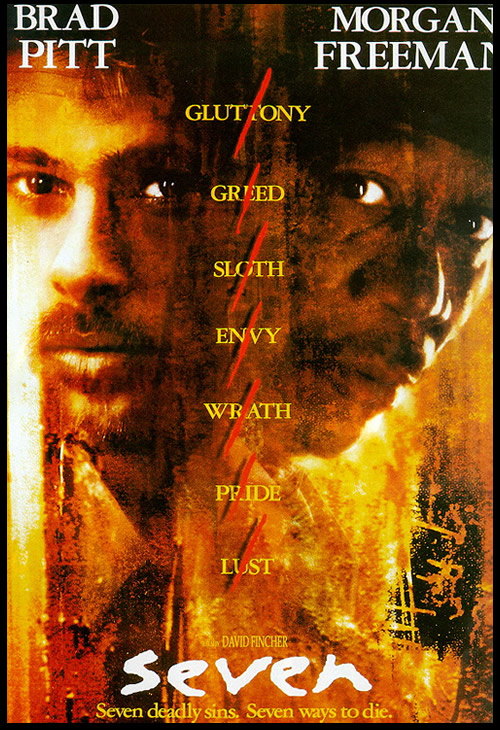
This is an extremely popular subgenre of thriller. In this subgenre, a serial killer is terrorizing a group of people with horrific violence. The detective's goal is to stop the killer before he takes his next victim.
Tech
 no Thriller
When people talk about thriller, the first thing they usually think of is a techno thriller like Tom Clancy's books. In techno-thrillers, the technology drives the plot, whether it's new military technology for a submarine or forensics.
Thriller Genre
Thriller is a very broad genre, it is characterized by fast pacing, frequent action and a resourceful hero. However there is no specific setting for a thriller, it is such a wide genre that it includes different ends of the spectrum, from crime thrillers, spy thrillers all the way to techno thrillers, medical thrillers and even erotic thrillers. Thriller is full of these many sub-genres, that help divide up the genre as a whole and easily allows us to classify each specific film easily.
Thriller are films that are known to provoke intense excitement, suspense, a high level of anticipation, ultra-heightened expectation, uncertainty, anxiety, and nerve-wracking tension. Strictly speaking the genre can be defined as a film that relentlessly pursues a single-minded goal. Thriller films are meant to continually have the audience on the edge of their seats as it leads up to a nail-biting climax.
Due to some of the feelings that evoke from the thriller genre it can often get confused with a very similar horror genre. This often leads to the hybrid genres in which both types of genre are intertwined together.
An example a of early thriller films are those by Hitchcock, who is regarded as the creator of the thriller genre. Alfred Hitchcock has helped to shape modern-day thrillers. His work meant that he was acknowledged as the master of the thriller genre. Alfred Hitchcock is most well known for his work such as 'The 39 Steps'(1935) and 'Psycho'(1960) . He introduced the themes and conventions associated with even modern day thriller films. These codes and conventions included the use of typical characters, characters such as the beautiful, defenseless woman and a frail, psychopathic villain. Alfred Hitchcock also introduced the villain-driven plot that is so evident in thrillers, frequently there are obstacles for the protagonist to pass. He was able to manipulate the audience's fears and desires. This has lead to him being the influence of many thriller films and arguably the thriller genre itself. This can all be seen in one classic Alfred Hitchcock sequence from 'Psycho', the shower scene.
Hitchcock therefore encapsulated the early thriller genre and has undoubtedly influenc ed newer thriller film
 s. Evidence of Alfred Hitchcock's influence can be seen in more contemporary examples such as Christopher Nolan's 'Inception' (2010). However some modern thrillers do not necessarily follow the codes and conventions laid down by Alfred Hitchcock in early examples of thrillers. A contemporary example of a thriller that breaks the 'rules' would be 'Salt'(2010). This is very different to the earlier thriller films in a sense as rather than being a helpless sidekick, a woman this time in the form of Angelina Jolie is the Protagonist perhaps more suitable for an action film.
Thriller are films that are known to provoke intense excitement, suspense, a high level of anticipation, ultra-heightened expectation, uncertainty, anxiety, and nerve-wracking tension. Strictly speaking the genre can be defined as a film that relentlessly pursues a single-minded goal. Thriller films are meant to continually have the audience on the edge of their seats as it leads up to a nail-biting climax.
Due to some of the feelings that evoke from the thriller genre it can often get confused with a very similar horror genre. This often leads to the hybrid genres in which both types of genre are intertwined together.
An example a of early thriller films are those by Hitchcock, who is regarded as the creator of the thriller genre. Alfred Hitchcock has helped to shape modern-day thrillers. His work meant that he was acknowledged as the master of the thriller genre. Alfred Hitchcock is most well known for his work such as 'The 39 Steps'(1935) and 'Psycho'(1960)
 . He introduced the themes and conventions associated with even modern day thriller films. These codes and conventions included the use of typical characters, characters such as the beautiful, defenseless woman and a frail, psychopathic villain. Alfred Hitchcock also introduced the villain-driven plot that is so evident in thrillers, frequently there are obstacles for the protagonist to pass. He was able to manipulate the audience's fears and desires. This has lead to him being the influence of many thriller films and arguably the thriller genre itself. This can all be seen in one classic Alfred Hitchcock sequence from 'Psycho', the shower scene.
Hitchcock therefore encapsulated the early thriller genre and has undoubtedly influenc
 ed newer thriller film
 s. Evidence of Alfred Hitchcock's influence can be seen in more contemporary examples such as Christopher Nolan's 'Inception' (2010). However some modern thrillers do not necessarily follow the codes and conventions laid down by Alfred Hitchcock in early examples of thrillers. A contemporary example of a thriller that breaks the 'rules' would be 'Salt'(2010). This is very different to the earlier thriller films in a sense as rather than being a helpless sidekick, a woman this time in the form of Angelina Jolie is the Protagonist perhaps more suitable for an action film.
Subscribe to:
Posts (Atom)